
Oregon Now Requires Insurers to Explain Car Insurance Premium Increases
Oregon drivers can now request a written explanation for car insurance premium increases at renewal. Insurers must respond within 20 days under HB 2563.
Read more →Compare estimated rates from the leading insurers in your state. No email required. No phone calls. No SSN. Just your estimate, instantly

Answer a few questions about yourself and your vehicle. No name, no email, no phone number, and no impact on your credit score. We won’t call you to sell you insurance.
Useful guides and the latest information on car insurance

Oregon drivers can now request a written explanation for car insurance premium increases at renewal. Insurers must respond within 20 days under HB 2563.
Read more →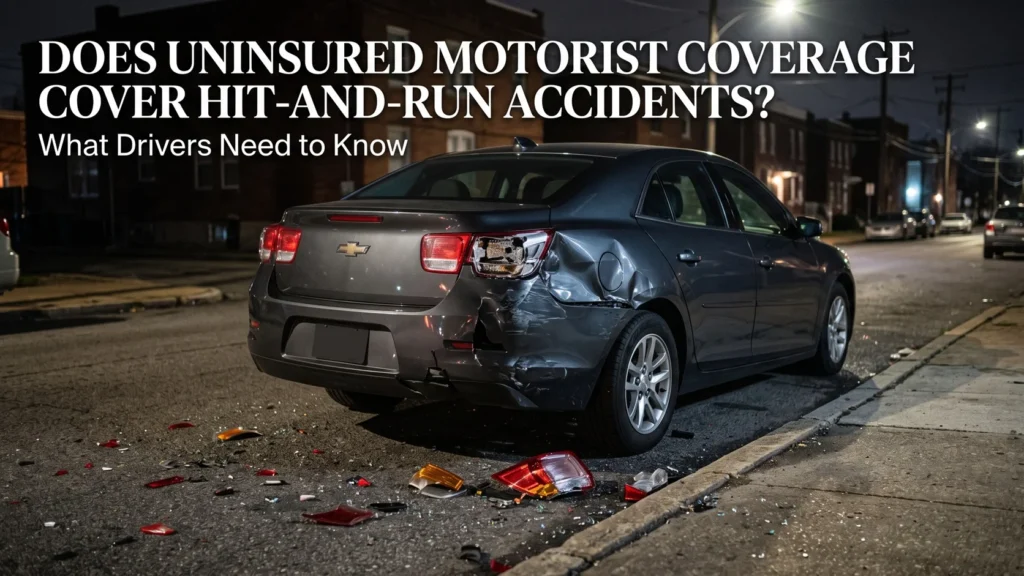
Learn how uninsured motorist coverage handles hit-and-run accidents, what steps to take, and why reporting deadlines matter. Get...
Read more →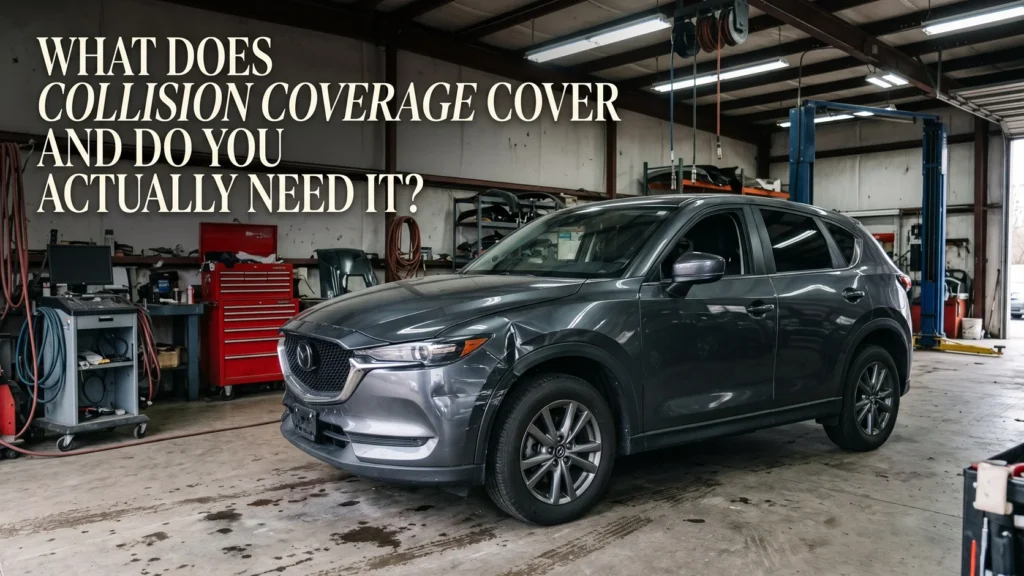
Collision coverage pays for your car after a crash, regardless of who is at fault. Learn what it...
Read more →
Comprehensive car insurance covers theft, weather, vandalism, fire, animals, and glass damage. Learn what it pays, deductibles, and...
Read more →
Car insurance rates often rise after age 70 because fatal crash rates per mile increase. Learn why insurers...
Read more →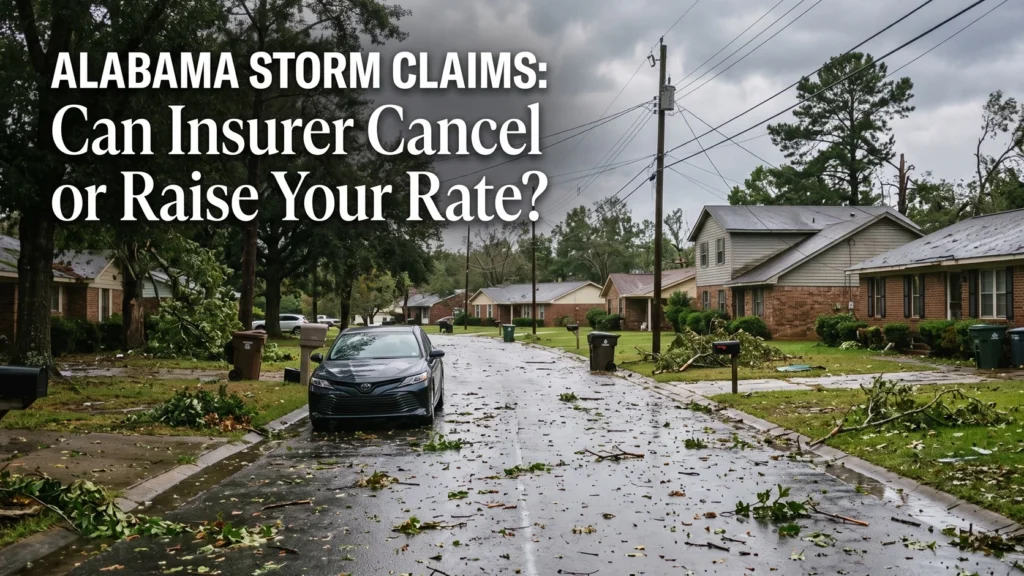
Alabama now bars car insurers from canceling or surcharging solely because of a weather claim. See the dates,...
Read more →Three factors drive most of the state-by-state gap: legal minimum coverage requirements (some states mandate far higher liability limits or add Personal Injury Protection), local accident and theft frequency (dense urban traffic and higher uninsured-driver rates push every policy up), and state insurance regulations (some states restrict how much weight credit score or other factors can carry). Use the calculator above with your own ZIP code to see where your state actually falls, based on today's rates.
There is no single "cheapest insurer" — it changes based on your age, state, vehicle, driving record, and credit profile, sometimes dramatically. A company that's the cheapest option for a 50-year-old with a clean record in Ohio can be one of the most expensive for a 22-year-old in Florida with a recent violation. Military families and veterans should always check USAA specifically, since eligibility restrictions mean it's often excluded from general "cheapest" rankings even when it would be the best rate available to them. The calculator above shows estimated rates for the leading insurers in your state instantly, ranked for your specific profile.
Renewal increases with a clean record are common and usually come from factors outside any single driver's control: rising vehicle repair costs (more sensors and cameras in modern cars mean pricier repairs), increases in medical care costs that raise injury-claim payouts industry-wide, more severe weather events driving up comprehensive claims, and general inflation in parts and labor. Insurers also periodically reprice entire ZIP codes or states based on updated claims data, independent of any individual driver's history. If your increase seems unusually large, it's always worth comparing quotes again — carriers reprice at different times and by different amounts.
Liability-only pays for damage and injuries you cause to other people — it never pays to repair or replace your own car. Full coverage adds Collision (pays for your car after an accident, regardless of fault) and Comprehensive (theft, weather, vandalism, animal strikes). As a rule of thumb: if your car is financed or leased, the lender almost always requires full coverage. If you own an older car outright and could comfortably replace it out of pocket, liability-only (plus maybe just Comprehensive) can make financial sense. There's no universal "right" choice — it depends on your car's value and your own risk tolerance.
In order of typical impact: 1) Shop around and compare multiple insurers — pricing for the exact same driver can vary by hundreds of dollars a year between companies, since each one weighs your specific mix of factors differently; 2) Raise your deductible if you have savings to cover it — going from $500 to $1,000 is one of the most reliable ways to cut your premium; 3) Bundle auto with home/renters insurance with the same carrier; 4) Ask about low-mileage, defensive-driving-course, or telematics/usage-based discounts, which many carriers don't advertise upfront; 5) Re-shop at every renewal instead of auto-renewing — loyalty is rarely rewarded with the lowest rate.
Yes, in most states — insurers have found a statistical correlation between credit-based insurance scores and claims frequency, and factor it into pricing accordingly, sometimes substantially. A handful of states ban the practice for auto insurance entirely (California, Hawaii, Massachusetts, and Michigan, as of this writing), and a couple more restrict how it can be used. Because state rules on this change over time, always check current regulations for your specific state rather than assuming — the calculator above already applies your state's actual rule when it estimates your rate.
No — car insurance cost alone is never a good reason to relocate. State-to-state gaps mostly reflect legal minimum requirements and regional risk factors (traffic density, weather, theft rates), not something a resident can change by moving a few hours away within the same market. If cost is the concern, shopping across multiple insurers within your current state typically saves far more than a cross-state move ever would, without any of the disruption.
Usually yes, though the gap is narrowing. EVs and hybrids typically cost more to insure than a comparable gas vehicle because of expensive battery packs, fewer specialized repair shops, and pricier replacement parts. Some insurers now offer specific EV-friendly pricing or discounts for home charging and safe-driving telematics, so the size of the gap varies a lot by carrier — it's worth comparing insurers specifically if you drive an EV or hybrid, rather than assuming they're all similarly priced.
Most insurers look back 3 to 5 years for minor violations and at-fault accidents, though the exact window varies by carrier and by state. Major violations (DUI, reckless driving) and SR-22 filing requirements often carry a longer pricing impact. Some insurers offer "accident forgiveness" after a set number of claim-free years, or reduce the surcharge gradually rather than dropping it all at once. If it's been several years since an incident, it's worth re-shopping — you may qualify for meaningfully better rates than your current policy reflects, especially if you haven't compared insurers since it happened.
A common rule of thumb: if your annual Collision + Comprehensive premium costs more than 10% of your car's current market value, full coverage is probably no longer worth it financially — you're paying more to insure the car than the payout would be worth if it were totaled. Check your car's actual current value (not what you paid for it) using a source like Kelley Blue Book, then compare that to what full coverage is costing you specifically. The one exception: if you still have a loan or lease, your lender's contract requires full coverage regardless of the car's age or value.